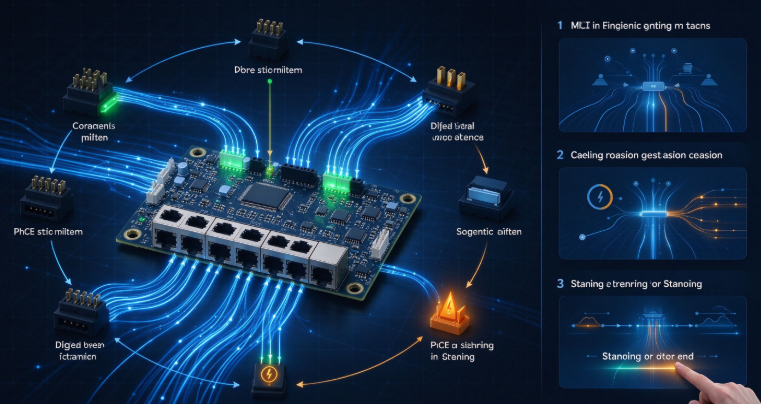
Critical Questions About Surface Mount Capacitor (SMC) Related Products: A Complete Guide
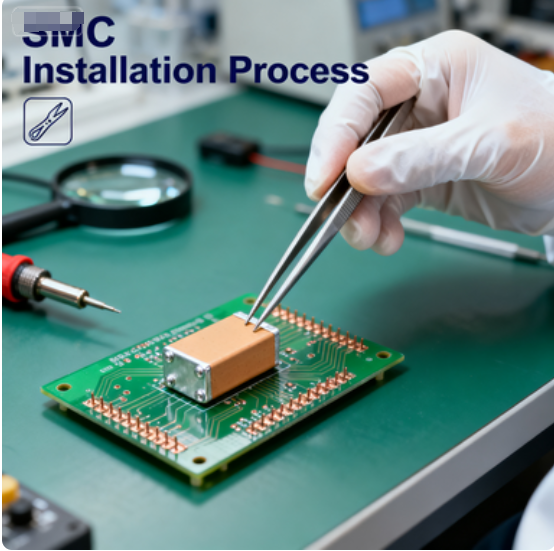
5 Critical Questions About Surface Mount Capacitor (SMC) Related Products: A Complete Guide
- What Are the Most Common Complementary Electronic Components for Surface Mount Capacitors?
- Which Products Pair With Surface Mount Capacitors in Home Appliances vs. Automotive Electronics?
- When Sourcing Surface Mount Capacitors, Which Peripheral Products Should I Purchase Simultaneously?
- Which Components Work Synergistically With Surface Mount Capacitors on PCB Circuit Boards?
- What Are the Associated Application Scenarios for SMCs, Tantalum Capacitors, and Electrolytic Capacitors?
- Final Thoughts
Surface mount capacitors (SMCs) are the backbone of modern electronic devices—from smartphones to automotive systems. But to maximize their performance, you need the right complementary components and a clear understanding of how they work together. Whether you’re a PCB designer, electronics buyer, or hobbyist, these 5 frequently asked questions (FAQs) will solve your biggest pain points about SMC-related products.
1. What Are the Most Common Complementary Electronic Components for Surface Mount Capacitors?
Surface mount capacitors rarely work in isolation. The top associated products that enhance functionality, stability, and assembly efficiency include:
- Surface Mount Resistors (SMRs): Paired with SMCs in filtering circuits (e.g., decoupling noise in power supplies) and timing circuits (e.g., RC oscillators). Choose thin-film resistors for high precision or thick-film for cost-effectiveness.
- Surface Mount Inductors (SMIs): Combined with SMCs in power management modules (e.g., voltage regulators) and RF circuits to store energy and filter frequency signals.
- Surface Mount Diodes (SMDs): Work with SMCs to protect circuits from voltage spikes (e.g., Zener diodes + SMCs in surge protection) and regulate current flow.
- PCB Connectors: Essential for integrating SMC-equipped PCBs into larger systems (e.g., board-to-board connectors or wire-to-board connectors).
- Thermal Management Materials: Heat sinks, thermal pads, or conformal coatings—critical for high-temperature applications (e.g., automotive electronics) where SMCs risk overheating.
2. Which Products Pair With Surface Mount Capacitors in Home Appliances vs. Automotive Electronics?
Application-specific use cases dictate the best SMC-related products. Here’s how to choose:
Home Appliances (Washing Machines, Smart TVs, Refrigerators)
- Decoupling Capacitors + Ceramic Resistors: For stabilizing power to microcontrollers (e.g., reducing voltage ripple in TV power boards).
- Film Capacitors (Complementary to SMCs): Polypropylene film capacitors pair with SMCs in motor control circuits (e.g., washing machine motors) for high voltage tolerance.
- Varistors: Combined with SMCs to protect appliances from power surges (e.g., lightning strikes).
Automotive Electronics (EVs, Infotainment Systems, Engine Control Units)
- Tantalum Capacitors (High-Reliability SMC Alternatives/Complements): Used alongside ceramic SMCs in ECUs for long-term stability in extreme temperatures (-55°C to 125°C).
- EMI Filters: SMCs + surface mount inductors + ferrite beads to reduce electromagnetic interference (EMI) in EV charging systems.
- High-Temperature Connectors: Automotive-grade PCB connectors (e.g., IP67-rated) paired with SMCs for durability in harsh environments.
3. When Sourcing Surface Mount Capacitors, Which Peripheral Products Should I Purchase Simultaneously?
To avoid project delays and ensure compatibility, buy these related products with your SMCs:
- Soldering Materials: SMT solder paste (lead-free for compliance with RoHS) and flux—critical for secure component attachment to PCBs.
- Inspection Tools: A magnifying glass or PCB inspection camera to verify SMC soldering quality (paired with resistors/inductors).
- Storage Solutions: Anti-static bags or component trays to protect SMCs and complementary parts from electrostatic discharge (ESD) during storage.
- Replacement Components: Spare SMCs (same capacitance/voltage rating) and matching resistors—common for prototype iterations or repair.
4. Which Components Work Synergistically With Surface Mount Capacitors on PCB Circuit Boards?
On a PCB, SMCs collaborate with these key components to form functional circuits:
- Microcontrollers (MCUs) or Processors: SMCs act as decoupling capacitors to filter noise around MCUs (e.g., Arduino boards use 0.1µF SMCs near the voltage pin).
- Voltage Regulators (SMPS): SMCs + inductors + diodes form switching power supplies, converting AC to DC for PCB components.
- Crystal Oscillators: SMCs (load capacitors) pair with crystals to set the clock frequency of MCUs (e.g., 22pF SMCs for a 16MHz crystal).
- LEDs: SMCs + current-limiting resistors protect LEDs from voltage fluctuations (e.g., in LED strip PCBs).
5. What Are the Associated Application Scenarios for SMCs, Tantalum Capacitors, and Electrolytic Capacitors?
While SMCs (primarily ceramic) are versatile, they often work with tantalum and electrolytic capacitors in specific use cases:
- SMCs + Tantalum Capacitors: Used in portable devices (laptops, smartphones) where low ESR (Equivalent Series Resistance) and small size are critical. Tantalum capacitors handle peak currents, while SMCs filter high-frequency noise.
- SMCs + Electrolytic Capacitors: In power supplies (e.g., PC power units), electrolytic capacitors provide bulk energy storage, while SMCs filter high-frequency ripple.
- Mixed-Capacitor Circuits: Industrial control systems use SMCs (ceramic) for decoupling, tantalum for stability, and electrolytic for long-term energy storage—ensuring reliability in harsh conditions.
Final Thoughts
Choosing the right surface mount capacitor related products is critical for circuit performance, reliability, and cost-efficiency. Whether you’re designing a PCB, sourcing components, or troubleshooting an electronic device, understanding how SMCs pair with resistors, inductors, diodes, and other peripherals will save you time and prevent costly mistakes.
Do you have a specific application in mind? Let us know in the comments—we’ll help you identify the perfect SMC-related product combination for your project!
What Is an SMD Capacitor?
SMD Capacitors in Key Electronic Products: Performance, Selection & Cost Optimization
Bài viết liên quan