Safety Specification Capacitors: 10 Critical Questions Answered for Safe, Compliant Electronics
Safety Specification Capacitors: 10 Critical Questions Answered for Safe, Compliant Electronics
- 1. What exactly is a safety specification capacitor, and why is it critical?
- 2. Which key safety specifications apply to consumer electronics capacitors?
- 3. What special safety specs apply to medical device capacitors?
- 4. How do safety specification capacitors differ from standard capacitors?
- 5. What safety certification marks should I look for?
- 6. What safety tests validate capacitor compliance?
- 7. What safety specs apply to automotive capacitors?
- 8. What risks arise from using non-compliant capacitors?
- 9. How do safety specs vary by region?
- 10. What parameters are included in capacitor safety specs?
When it comes to electronic devices—from household appliances to medical equipment—“safe” isn’t optional. Safety specification capacitors (also called safety-certified capacitors) are the unsung guardians here: they’re engineered to meet strict industry standards that prevent fires, electrical shocks, and device failures. But with so many standards (UL, IEC, VDE) and industry-specific rules, figuring out which safety specs matter for your project can feel overwhelming.
Below, we answer 10 of the most searched questions about safety specification capacitors. Each section breaks down what you need to know to keep your electronics compliant, protect users, and avoid costly recalls.
1. What exactly is a safety specification capacitor, and why is it critical for electronic devices?
A safety specification capacitor is a specialized capacitor designed and tested to meet rigorous safety standards set by global organizations (like UL, IEC, or VDE). Unlike standard capacitors—which focus only on performance (capacitance, voltage)—safety specification capacitors prioritize hazard prevention: they’re built to resist overheating, fire, and electrical leakage, even in extreme conditions.
Their critical role lies in mitigating risks that standard capacitors can’t:
- Preventing fires: They’re tested to avoid ignition if they fail (e.g., UL 94 V-0 flammability standards).
- Stopping electrical shocks: They insulate against voltage surges that could harm users (critical for devices like hair dryers or medical monitors).
- Ensuring compliance: Without safety-certified capacitors, your device can’t pass regulatory tests (like CE marking in Europe or FCC certification in the U.S.)—meaning you can’t legally sell it.
For example, a coffee maker’s power supply uses safety specification capacitors to contain electrical faults; without them, a faulty capacitor could overheat and start a kitchen fire.
2. Which key safety specifications (e.g., UL, IEC, VDE) must capacitors comply with for consumer electronics?
Consumer electronics ( TVs, smartphones, kitchen appliances) rely on 3 core safety specifications to meet global regulations. These standards ensure consistency and safety across markets:
- UL (Underwriters Laboratories) Standards (North America):
- UL 94 V-0: Tests flammability—capacitors must self-extinguish within 10 seconds if they catch fire, with no flaming drips.
- UL 60384-14: Specific to safety capacitors (e.g., X2, Y2 types) used in line-filter circuits. It verifies insulation strength and long-term reliability.
- IEC (International Electrotechnical Commission) Standards (Global):
- IEC 60384-14: The global counterpart to UL 60384-14, defining safety requirements for capacitors in AC line applications (e.g., power supplies).
- IEC 60950-1: Applies to IT equipment (laptops, routers) and mandates capacitors withstand 1.5x their rated voltage for 60 seconds without failing.
- VDE (Verband der Elektrotechnik) Standards (Europe):
- VDE 0884-14: Aligns with IEC 60384-14 but includes additional testing for European markets (e.g., higher humidity resistance).
Most consumer electronics need capacitors certified to at least two of these (e.g., UL + IEC) to sell in multiple regions. For example, a wireless speaker sold in the U.S. and EU requires capacitors with UL 94 V-0 and IEC 60384-14 certifications.
3. What special safety specifications apply to capacitors used in medical devices (e.g., MRI machines, heart monitors)?
Medical devices demand the strictest safety specs because failures can be life-threatening. Capacitors here must comply with standards that prioritize patient and operator safety, as well as long-term reliability:
- IEC 60601-1: The global gold standard for medical electrical equipment. It requires capacitors:
- Withstand 2x their rated voltage for 1 minute (to prevent shocks during use).
- Maintain performance in extreme temperatures (-40°C to +85°C) for 10,000+ hours.
- Be “fail-safe”—if they malfunction, they must not release toxic fumes or cause electrical arcing.
- UL 60601-1: The U.S. version of IEC 60601-1, with extra testing for leakage current (capacitors must leak less than 100µA to avoid shocking patients).
- ISO 10993: For devices that contact patients (e.g., heart monitors). Capacitors must be non-toxic and biocompatible—no chemicals that could leach into skin.
For example, an MRI machine uses safety specification capacitors certified to IEC 60601-1 and UL 60601-1. These capacitors handle the MRI’s high voltage (up to 10kV) without leaking, ensuring the machine doesn’t disrupt patient heart rhythms.
4. How do safety specification capacitors differ from standard capacitors in terms of design and performance?
Safety specification capacitors are engineered differently from standard capacitors to prioritize safety over pure performance. Here’s a breakdown of the key differences:
| Feature | Safety Specification Capacitors | Standard Capacitors |
|---|---|---|
| Design Focus | Hazard prevention (fire, shock, leakage) | Performance (capacitance, speed) |
| Insulation | Thick, flame-retardant dielectric (e.g., ceramic with epoxy coating) | Thin dielectric (focused on energy storage) |
| Testing | 100% tested for voltage withstand, flammability, and leakage | Spot-tested only for basic performance |
| Failure Mode | “Safe failure”—self-extinguishes, no toxic fumes | Can overheat, leak, or catch fire if faulty |
| Certifications | Mandatory UL/IEC/VDE marks | No required safety certifications |
For example, a standard ceramic capacitor might fail by bursting and leaking electrolyte if overvolted. A safety specification capacitor with UL 94 V-0 certification, by contrast, will self-extinguish and contain any internal damage—preventing a fire.
5. What safety certification marks (e.g., UL 94 V-0, IEC 60384-14) should I look for when choosing a safety specification capacitor?
Not all certification marks are equal—you need to pick ones that align with your target market and device type. Here are the most critical marks to check, and what they mean:
- UL 94 V-0: A small “UL” logo with “V-0” indicates the capacitor passes flammability tests. Must-have for devices used near flammable materials (e.g., kitchen appliances).
- IEC 60384-14: A “IEC” logo with “60384-14” means it’s safe for AC line applications (power supplies, chargers).
- VDE 0884-14: A “VDE” logo confirms compliance with European safety standards—required for selling in the EU.
- CQC (China Quality Certification): A “CQC” mark is mandatory for capacitors used in devices sold in China (e.g., smartphones, TVs).
- X/Y Class Markings: For line-filter capacitors (used to reduce EMI):
- X-Class (X1, X2): For across-the-line applications (between live and neutral wires). X2 is the most common for consumer electronics.
- Y-Class (Y1, Y2): For line-to-ground applications (between live and chassis). Y2 is used in devices like laptops to prevent shocks if the chassis is touched.
Always verify marks with the certification body (e.g., check UL’s database for a capacitor’s UL 94 V-0 status) — counterfeit marks are common, and using uncertified capacitors risks recalls.
6. What safety tests are required to validate that a capacitor meets industry safety specifications?
Safety specification capacitors undergo rigorous testing to earn their certifications. These tests are designed to simulate real-world failures and extreme conditions:
- Voltage Withstand Test: The capacitor is exposed to 1.5–2x its rated voltage for 1–60 minutes. It must not leak current, arc, or overheat. (Required for UL 60384-14 and IEC 60601-1.)
- Flammability Test (UL 94 V-0): The capacitor is ignited with a flame. It must self-extinguish within 10 seconds, with no flaming particles that could start a fire.
- Humidity Test: The capacitor is stored at 85°C and 85% relative humidity for 1,000 hours. After testing, it must still meet performance specs (no more than 10% capacitance loss). (Required for VDE 0884-14.)
- Temperature Cycling Test: The capacitor is cycled between -55°C and +125°C 1,000 times. It must not crack, leak, or lose capacitance—critical for outdoor or industrial devices.
- Leakage Current Test: For medical devices (IEC 60601-1), the capacitor is tested to ensure leakage current is less than 100µA. This prevents shocks to patients.
Manufacturers provide test reports (called “certification dossiers”) for each capacitor—ask for these to confirm compliance. For example, a capacitor for a pacemaker will include IEC 60601-1 test results proving it withstands voltage surges and low leakage.
7. What safety specifications do capacitors need to meet for automotive applications (e.g., EVs, ADAS systems)?
Automotive capacitors (used in EVs, ADAS, or infotainment) face harsh conditions (vibration, extreme heat) and require safety specs that balance durability and user protection:
- AEC-Q200: The automotive industry’s core standard for passive components (including capacitors). It mandates:
- Temperature resistance (-55°C to +125°C for under-hood parts; +150°C for EV batteries).
- Vibration resistance (20G for 10 hours—equivalent to off-road driving).
- No capacitance loss after 1,000 temperature cycles.
- ISO 26262: For safety-critical systems (e.g., ADAS, EV braking). Capacitors here must meet “ASIL” (Automotive Safety Integrity Level) ratings:
- ASIL B: Used in infotainment (low risk if failed).
- ASIL D: Used in EV battery management systems (high risk—failure could cause a fire).
- UL 94 V-0: Required for all automotive capacitors to prevent fires in case of failure (e.g., a short circuit in the EV’s inverter).
For example, an EV’s battery pack uses capacitors certified to AEC-Q200 (Grade 0, for +150°C) and ISO 26262 (ASIL D). These capacitors handle the battery’s high voltage (800V) and resist vibration, ensuring no thermal runaway.
8. What risks (e.g., fire, leakage) arise from using capacitors that don’t meet safety specifications?
Using non-compliant capacitors isn’t just a regulatory issue—it exposes you to severe risks for your business and end users:
- Fire Hazards: Non-certified capacitors lack flame-retardant designs. If they overheat (e.g., from a voltage surge), they can catch fire and spread to other components. For example, a 2022 recall of space heaters was caused by non-UL 94 V-0 capacitors that ignited, leading to 12 house fires.
- Electrical Shocks: Without proper insulation (required by UL 60384-14), faulty capacitors can leak current to the device’s chassis. A user touching the chassis could get shocked—critical for devices like hair dryers or power tools.
- Regulatory Recalls: Selling devices with non-compliant capacitors violates laws like the EU’s CE marking requirement or the U.S. Consumer Product Safety Act (CPSA). Recalls cost an average of $10 million per incident (including product replacement and legal fees).
- Brand Damage: Safety failures erode customer trust. A 2021 recall of baby monitors due to non-certified capacitors led to a 30% drop in the brand’s sales, as parents lost confidence in their products.
In short, the cost of non-compliant capacitors is far higher than investing in safety specification alternatives.
9. How do safety specifications for capacitors vary between different regions (e.g., North America vs. Europe)?
While many safety specs are global (e.g., IEC standards), regional differences exist—ignoring them can block your device from key markets. Here’s a breakdown of the biggest variations:
| Region | Key Safety Standards | Unique Requirements |
|---|---|---|
| North America | UL 94 V-0, UL 60384-14, FCC Part 15 | - Capacitors must be listed in UL’s database. - Higher voltage withstand tests (2x rated voltage for 60 seconds). |
| Europe | IEC 60384-14, VDE 0884-14, CE marking | - Mandatory “DoC” (Declaration of Conformity) for each capacitor. - Extra humidity testing (85°C/85% RH for 1,000 hours). |
| China | CQC, GB 4943.1 (China’s IEC 60950-1) | - Capacitors must be tested by Chinese labs (e.g., CQC-accredited facilities). - Mandatory QR codes linking to certification records. |
| Japan | JIS C 60384-14 (Japan’s IEC 60384-14) | - Stricter temperature cycling (-40°C to +105°C for 2,000 cycles). - Compatibility with Japan’s 100V AC grid (vs. 120V in NA or 230V in EU). |
The solution? Choose “globally certified” capacitors—those that meet UL, IEC, and regional standards (e.g., CQC for China). For example, a capacitor with UL 94 V-0, IEC 60384-14, and CQC marks can be used in devices sold in North America, Europe, and China.
10. What parameters (e.g., voltage tolerance, temperature resistance) are included in capacitor safety specifications?
Safety specifications aren’t just “marks”—they define specific parameters that ensure the capacitor is safe to use. Here are the key parameters covered, and why they matter:
- Voltage Tolerance: The capacitor must withstand 1.2–2x its rated voltage (depending on the standard) without failing. For example, UL 60384-14 requires 1.5x rated voltage for 60 seconds—prevents breakdown during surges.
- Temperature Range: Defines the minimum/maximum temperature the capacitor can handle. IEC 60601-1 (medical) requires -40°C to +85°C; AEC-Q200 (automotive) goes up to +150°C.
- Leakage Current: The maximum current that can leak through the capacitor’s insulation. Medical standards (IEC 60601-1) limit this to 100µA to avoid shocks.
- Flammability Class: UL 94 V-0 (self-extinguishing) is the most common, but some standards (e.g., UL 94 V-1) allow longer burn times (30 seconds)—only use V-0 for consumer/medical devices.
- Lifetime Reliability: The capacitor must maintain performance for a minimum time. IEC 60384-14 requires 10,000 hours of use at rated voltage/temperature with no more than 10% capacitance loss.
When comparing safety specification capacitors, always check these parameters—two capacitors with the same “UL 94 V-0” mark may differ in voltage tolerance or lifetime, making one better suited for your device.
Wrapping Up: The Non-Negotiable Role of Safety Specification Capacitors
Safety specification capacitors aren’t an “add-on”—they’re the foundation of compliant, user-safe electronics. Whether you’re building a medical monitor, an EV, or a kitchen appliance, choosing capacitors that meet the right standards (UL, IEC, AEC-Q200) protects your customers, avoids recalls, and keeps your business compliant.
Do you have follow-up questions? For example, how to verify a capacitor’s certification or find safety-spec capacitors for a specific industry? Drop a comment below, and we’ll help you navigate the details.
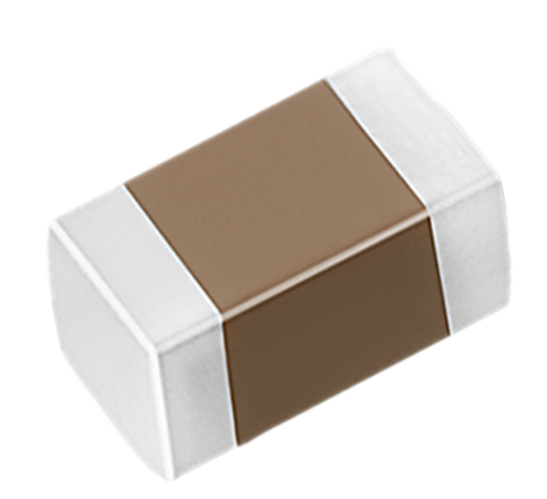
UL 94 V-0 X2 Safety Capacitors
Flame-retardant for consumer electronics—100nF-10µF, 275V AC, UL/IEC certified.
IEC 6
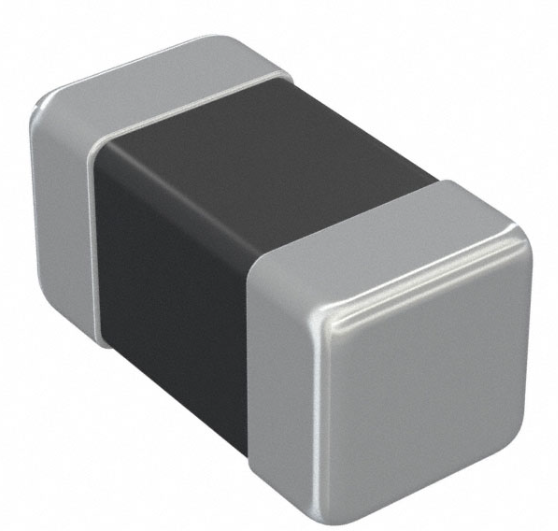
0601-1 Medical Capacitors
Low leakage (≤50µA) for heart monitors—1µF-100µF, 50V-250V.
AEC-Q200 Automotive MLCCs
Withstand +150°C and 20G vibration—ideal for EVs and ADAS systems.
Global Safety Capacitor Kit
UL/IEC/VDE/CQC certified—assortment for multi-region device designs.
Power Storage: 10 Critical Questions Answered for Home & Industrial Use
MLCC Capacitors: 10 Questions Solved to Fix Your Electronic Design Headaches
Related Article