
Struggling with Unpredictable MLCC Lead Times
author: 11
2026-04-24
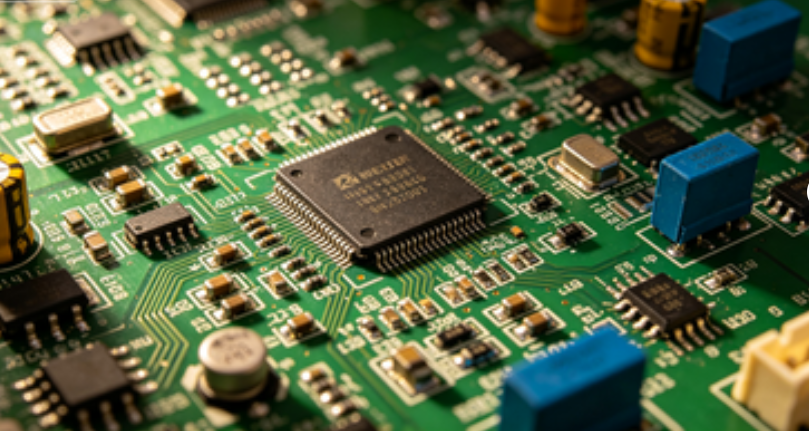
Struggling with Unpredictable MLCC Lead Times? Discover a Partner Who Delivers on Time and On Spec
Are late deliveries disrupting your BOM planning and assembly schedules? Do you worry that switching suppliers will introduce quality risks or long qualification cycles? Want MLCCs that match tight specs without driving up cost?
If these questions sound familiar, consider Barron MLCC as your reliable sourcing partner.


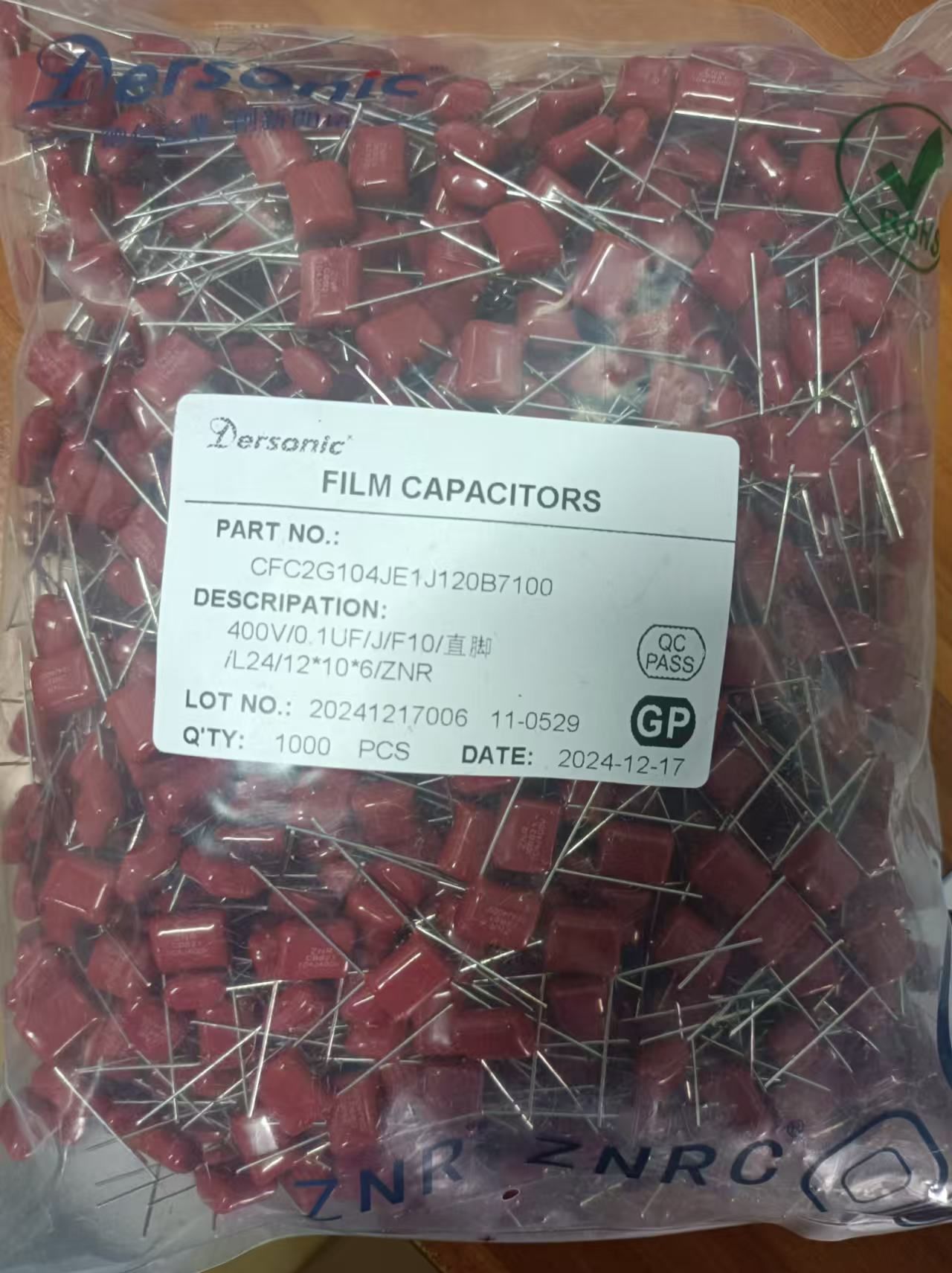

What we offer
- Wide MLCC portfolio: Standard and high-capacitance multilayer ceramic capacitors across chip sizes, voltage ratings, and tolerances to fit consumer, automotive, industrial, and medical designs.
- Customization options: Tailored capacitance, packaging (tape-and-reel, bulk), and screening levels to meet unique application or qualification needs.
- Fast sample and prototype support: Rapid turnaround for evaluation parts to speed validation and shorten time-to-market.
Why procurement teams switch to Barron MLCC
- Predictable lead times: Robust production scheduling and buffer inventory reduce stockouts and keep your assemblies on schedule.
- Competitive pricing for volume: Economies of scale and optimized processes lower unit cost while preserving performance and reliability.
- Consistent quality: Inline process controls and end-of-line electrical testing ensure parts meet datasheet specs batch after batch.
- Strong traceability: Lot tracking and documentation simplify audits and failure investigations.
- Responsive technical support: Application guidance, failure analysis, and co-engineering help resolve issues faster and reduce qualification cycles.
Core product advantages
- High volumetric efficiency: Compact MLCCs enabling board space reduction without sacrificing capacitance.
- Stable electrical characteristics: Low ESR/ESL, good temperature coefficient, and low DC bias for reliable circuit behavior.
- Environmental robustness: Resistance to thermal cycling, moisture, and mechanical stress for long field life.
- SMT-ready packaging: Optimized for automated assembly to lower production defects and improve throughput.
Production strengths that matter
- Modern automated lines for high yield and repeatable quality.
- Flexible capacity planning to accommodate both steady contracts and urgent orders.
- Comprehensive incoming material inspections and supplier controls.
- Skilled production and QA teams experienced with high-reliability applications.
Interested in samples, datasheets, or a tailored quote?
Contact me directly to discuss your MLCC needs and how we can support your supply chain:
WhatsApp / WeChat: +86 15913754866 / +86 18824523083
Email: hyc2355937758@gmail.com
Website: www.barronmlcc.com
Why Automotive Projects Demand Automotive-Grade MLCCs
Need More Reliable High-Volume MLCC Supply Are You Choosing the Right Partner?
Related Article
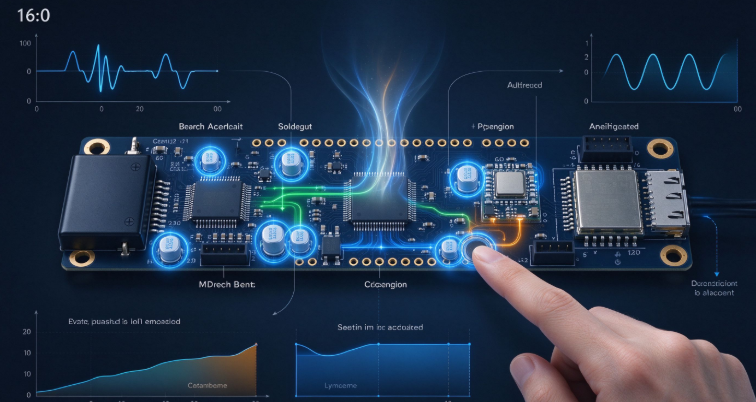
Battery-powered Internet of Things (IoT) sensors are designed to collect data and transmit information while consuming as little energy as possible. Common examples include temperature sensors, environmental monitors, asset trackers, wireless door sensors, and remote industrial monitoring devices.
MLCCs for Battery Powered IoT Sensors Power Stability Low Power Design and Reliability

Power over Ethernet (PoE) technology allows compatible network equipment to transmit electrical power and data through the same Ethernet cable. It is widely used in applications such as IP cameras, wireless access points, VoIP phones, and network-connected sensors.
MLCCs in PoE Equipment Design Considerations for Ethernet Switches
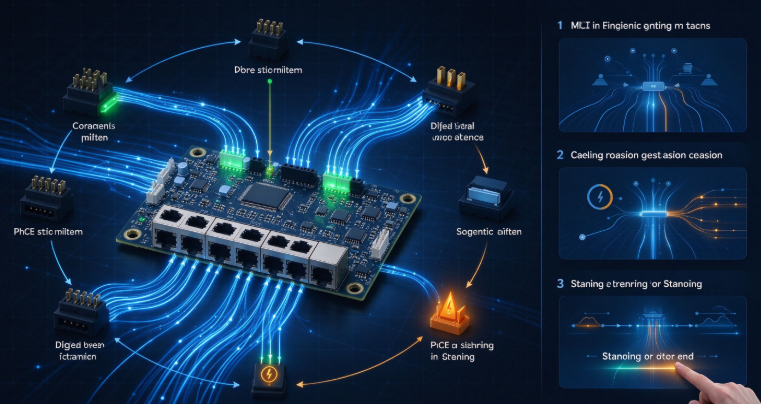
Inside PoE equipment, multilayer ceramic capacitors (MLCCs) help stabilize power rails, filter high-frequency noise, and support the operation of power conversion circuits. Their performance can affect power integrity, electromagnetic compatibility, and the reliability of the overall device.
MLCCs in PoE Equipment Design Considerations for Ethernet Switches and Powered Devices

USB-C Power Delivery (PD) chargers must deliver regulated power across multiple voltage and current combinations while remaining compact, efficient, and reliable. Inside these adapters, multilayer ceramic capacitors (MLCCs) help stabilize power rails, reduce high-frequency noise, and support the operation of switching power converters.
Where MLCCs Matter in USB-C PD Chargers Input Filtering Switching Noise and Output Stability
