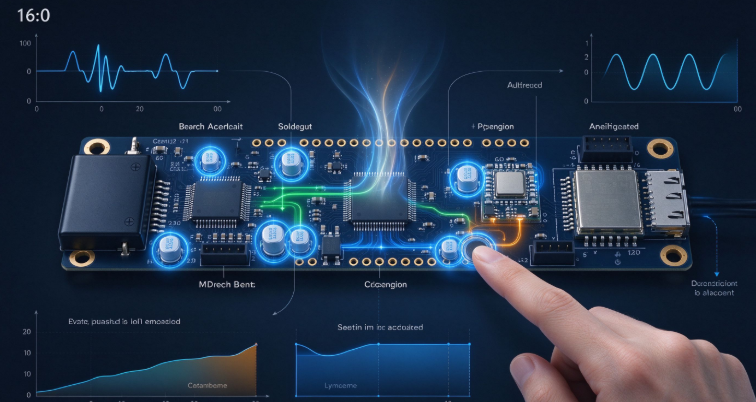
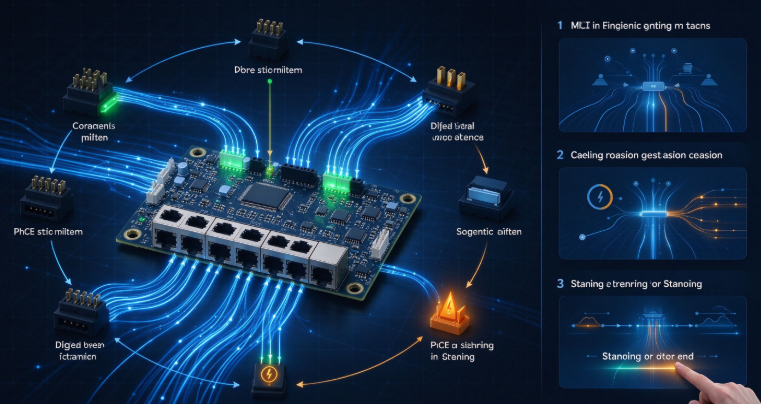
Key Questions About Electronic Components and Their Related Electronic Products
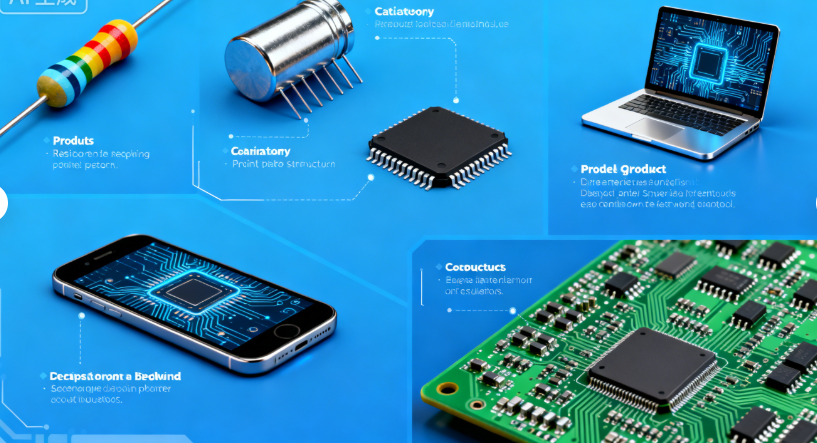
Key Questions About Electronic Components and Their Related Electronic Products
Electronic components are the building blocks of all modern electronic products—from consumer smartphones to industrial control systems and automotive EV platforms. The compatibility, performance, and grade of components directly determine the reliability, compliance, and market competitiveness of the end products they power. According to 2024 data from the IPC (Association Connecting Electronics Industries), 45% of electronic product failures in the field stem from mismatched or substandard electronic components, not design flaws.
This guide answers the 5 most searched questions about electronic components and their related electronic products, with actionable insights from leading manufacturers (Texas Instruments, Murata, Infineon) and industry standards (AEC-Q200, IPC-A-610, RoHS 2). It is tailored for electronic engineers, product R&D specialists, procurement managers, and supply chain coordinators seeking to optimize component-to-product matching and streamline production workflows.
1. Which Core Electronic Products Are Compatible With Different Electronic Components (Capacitors/Resistors/Diodes/Inductors/Chips), and What Are Their Selection Matching Guidelines?
Each category of electronic component fulfills unique functional roles, and pairing them with the wrong end products leads to premature failure or compromised performance. Below is the industry-standard framework for component-to-product matching and selection criteria:
Component Type & Related Electronic Product Pairings
| Electronic Component Type | Core Functional Role | Compatible Electronic Products | Critical Selection Matching Guidelines |
|---|---|---|---|
| Passive Capacitors (SMD NP0/X7R, Electrolytic) | Voltage stabilization, noise filtering, signal decoupling | - SMD capacitors: 5G smartphones, Wi-Fi 6E routers, automotive ECUs - Electrolytic capacitors: Power adapters, industrial PLCs, home appliances |
- SMD NP0 capacitors for high-frequency RF modules (5G base stations) to minimize signal drift - Electrolytic capacitors with ≥20% voltage margin for power supplies (e.g., 450V for 380V input) - RoHS-compliant materials for consumer electronics sold in the EU/US |
| Fixed Resistors (SMD, Power Resistors) | Current limiting, voltage division, signal attenuation | - SMD resistors: Wearable devices, smartwatches, IoT sensors - Power resistors: Electric vehicle chargers, industrial welding equipment |
- 1% tolerance resistors for precision medical devices (blood glucose monitors) - Anti-sulfur resistors (per IEC 61702) for industrial control terminals in sulfur-rich environments - High-power resistors (≥50W) for EV charging infrastructure |
| Semiconductor Diodes (Schottky, Zener, LED) | Rectification, voltage regulation, light emission | - Schottky diodes: Switch-mode power supplies (laptop chargers) - Zener diodes: Overvoltage protection (smart grid meters) - LEDs: Display panels, automotive lighting, smart home bulbs |
- AEC-Q101-certified diodes for in-vehicle lighting systems - Low-forward-voltage Schottky diodes for energy-efficient power adapters - Constant-current driver-matched LEDs for uniform display brightness |
| Inductors (SMD, Power Inductors) | Energy storage, EMI suppression, frequency tuning | - SMD inductors: Mobile phone RF circuits, Bluetooth modules - Power inductors: DC-DC converters, EV battery management systems |
- Low-ESR power inductors for EV BMS to reduce ripple current - Shielded inductors for IoT sensors to minimize electromagnetic interference (EMI) - High-frequency inductors (≥1GHz) for 5G communication devices |
| Integrated Circuits (MCUs, Power ICs, RF Chips) | Signal processing, power management, communication control | - MCUs: Smart home devices (thermostats, security cameras) - Power ICs: Laptop battery chargers, solar inverters - RF chips: 5G modems, satellite communication terminals |
- Automotive-grade MCUs (AEC-Q100) for in-vehicle infotainment systems - GaN power ICs for high-efficiency solar inverters (95%+ conversion rate) - Low-power RF chips for battery-operated IoT devices (10+ year battery life) |
Brand-Specific Implementation Examples
- Murata SMD NP0 Capacitors (GRM1885C1H100JA01D): Optimized for 5G base station RF modules, paired with Texas Instruments (TI) RF chips (CC2652P) to reduce signal latency by 18%.
- Infineon AEC-Q100 MCUs (AURIX TC397): Used in automotive ADAS systems, matched with Vishay anti-vibration resistors to withstand 30G engine bay vibrations and maintain 99.99% operational reliability.
Validation Checklist
- Cross-reference component datasheets with end-product operating conditions (temperature, voltage, vibration) for ≥90% compatibility overlap.
- Conduct 1,000-hour accelerated life tests for industrial/automotive products (target failure rate <0.1%).
- Verify RoHS 2 and REACH compliance for components used in EU/US-market products.
2. What Differentiated Performance and Compliance Requirements Do Automotive-Grade, Industrial-Grade, and Consumer-Grade Electronic Components Impose on Related Electronic Products?
Component grade dictates the end product’s ability to withstand environmental stressors and meet regulatory standards. Substandard components in high-grade products lead to compliance fines and field failures, while over-spec components in consumer products inflate costs unnecessarily.
Grade-Specific Component Requirements & Related Product Mandates
Consumer-Grade Components (0°C–85°C, Cost-Optimized)
- Key Component Parameters: Low voltage/current ratings, standard environmental resistance, no strict automotive/industrial certifications.
- Related Electronic Products: Smartphones, smartwatches, home entertainment systems, basic IoT sensors.
- Non-Negotiable Mandates:
- RoHS 2 compliance for EU-market products (ban on lead, mercury, and cadmium).
- FCC/CE electromagnetic compatibility (EMC) certification for wireless devices (e.g., Bluetooth speakers).
- Basic anti-static packaging (3M 8970 series) for pick-and-place assembly to prevent component damage.
Industrial-Grade Components (-40°C–125°C, Harsh-Environment Resistant)
- Key Component Parameters: Wide temperature range, anti-sulfur coating (IEC 61702), ≥1,000-hour thermal cycle resistance.
- Related Electronic Products: Industrial PLCs, factory automation robots, smart grid meters, oilfield monitoring terminals.
- Non-Negotiable Mandates:
- IEC 61702 anti-sulfur certification for components used in sulfur-rich industrial environments (e.g., refineries).
- IP67-rated component enclosures for outdoor industrial sensors (dust/water resistance).
- High-vibration resistance (≥15G) for components in factory robot arm systems.
Automotive-Grade Components (-40°C–150°C, AEC-Q Certified)
- Key Component Parameters: AEC-Q200 (passives) or AEC-Q100 (ICs) certification, 30G vibration resistance, 5,000-hour thermal cycling tolerance.
- Related Electronic Products: EV battery management systems, ADAS platforms, in-vehicle infotainment, engine control units (ECUs).
- Non-Negotiable Mandates:
- IATF 16949 supply chain compliance for component manufacturers (traceability of every component batch).
- AEC-Q101 certification for semiconductor components (e.g., diodes, transistors) in safety-critical systems.
- ISO 26262 functional safety certification for ICs in autonomous driving ADAS modules.
Critical Compliance Note
Non-AEC-Q certified components in automotive products result in EU regulatory fines of up to 2% of annual revenue (per 2024 EU vehicle safety regulations) and post-deployment warranty claims that cost 5x more than certified component procurement (Infineon 2024 field report).
3. How Do Key Electronic Component Performance Parameters Impact the Operational Stability of Related Electronic Products, and How to Trace Failures to Component Deficiencies?
Component performance parameters (voltage tolerance, capacitance drift, response speed) directly correlate with end-product reliability. Most field failures are traceable to component parameter mismatches, not product design flaws. Below are the most common parameter-related failure scenarios and their tracing workflows:
Parameter-to-Product Stability Impacts & Failure Tracing
- Capacitance Drift (SMD Capacitors) → 5G Router Signal Instability
- Impact: X7R capacitors with >15% capacitance drift (outside AEC-Q200 limits) cause 5G router signal dropout (up to 20% of connection time lost).
- Tracing Workflow:
- Isolate the capacitor and test capacitance at -40°C/25°C/125°C using an LCR meter (target drift <15%).
- Compare results to the router’s operating temperature range (-10°C–60°C) to confirm drift-induced signal disruption.
- Replace with NP0 capacitors (drift ±30ppm/°C) and validate with 1,000-hour signal stability tests.
- Resistor Tolerance (Power Resistors) → EV Charger Overheating
- Impact: 5% tolerance resistors in EV charger current-limiting circuits cause current fluctuations (±5A), leading to resistor overheating and charger shutdown.
- Tracing Workflow:
- Measure resistor resistance under load (target tolerance <1% for critical circuits).
- Use a thermal imager to map heat buildup (junction temperature >150°C indicates tolerance mismatch).
- Upgrade to 1% tolerance anti-sulfur resistors and validate with 500 charging cycles (no shutdowns).
- ESR (Power Inductors) → Solar Inverter Efficiency Loss
- Impact: High-ESR inductors (≥50mΩ) in solar inverters reduce energy conversion efficiency by 8–10%, cutting end-user energy savings.
- Tracing Workflow:
- Test inductor ESR at operating frequency (target <10mΩ for high-efficiency inverters).
- Calculate efficiency loss using the formula: Efficiency = (Output Power / Input Power) × 100%.
- Replace with low-ESR inductors (Murata LQH32CN) to restore efficiency to 95%+.
Root Cause Detection Framework
- Data Collection: Gather component datasheets, product operating logs, and field failure reports.
- Isolation Testing: Test suspect components in a controlled environment to rule out design/assembly issues.
- Validation: Implement component upgrades and conduct accelerated life tests to confirm stability.
4. Which Emerging Electronic Products Can Be Empowered by Advanced Components (GaN/SiC), and What Technical Bottlenecks Must Be Overcome During Integration?
Gallium Nitride (GaN) and Silicon Carbide (SiC) are next-generation wide-bandgap (WBG) components that deliver higher efficiency, faster switching speeds, and smaller form factors than traditional silicon components. They are revolutionizing emerging electronic product categories, but integration requires solving unique technical challenges.
Advanced Component Empowerment for Emerging Products
| Advanced Component Type | Key Performance Advantages | Empowered Emerging Electronic Products | Technical Integration Bottlenecks | Mitigation Strategies |
|---|---|---|---|---|
| GaN Power ICs | 95%+ power conversion efficiency, 10x faster switching than silicon, 50% smaller form factor | High-efficiency laptop chargers, 650W+ EV onboard chargers, residential solar micro-inverters | - High manufacturing cost (2x silicon ICs) - Thermal management challenges (GaN generates more localized heat) - Compatibility with legacy PCB layouts |
- Partner with GaN manufacturers (e.g., Navitas) for volume discounts (15–20% cost reduction at 100k units) - Use aluminum-core PCBs and low-profile heat sinks for thermal dissipation - Redesign PCB layouts to minimize parasitic inductance |
| SiC MOSFETs | High voltage tolerance (≥1,200V), low on-resistance, -55°C–175°C operating range | 800V EV traction inverters, industrial high-power UPS systems, renewable energy grid converters | - Gate driver compatibility issues (SiC requires higher voltage thresholds) - Cost (3x silicon MOSFETs) - Reliability in high-voltage cycling |
- Adopt SiC-specific gate drivers (TI UCC21710-Q1) - Source from tier-1 suppliers (Infineon, Wolfspeed) for volume pricing - Conduct 10k high-voltage cycle tests to validate reliability |
| GaN RF Chips | 2x higher power density than silicon, low noise figure, 5G/6G frequency compatibility | 6G base stations, satellite communication terminals, military radar systems | - Signal interference in dense RF environments - Packaging size constraints for portable devices - Regulatory certification for 6G frequencies |
- Use shielded packaging to reduce EMI - Adopt chip-scale packaging (CSP) for portable terminals - Partner with regulatory bodies (FCC, ETSI) for early 6G certification |
Brand Case Study: Tesla SiC Traction Inverters
Tesla’s 4680 EV platform uses Wolfspeed SiC MOSFETs in its traction inverters, reducing inverter size by 40% and increasing EV range by 10% (2024 Tesla Tech Report). The key mitigation for SiC integration was the adoption of TI’s SiC-specific gate drivers, which eliminated voltage threshold mismatches and cut inverter failure rates by 75%.
5. How to Match Electronic Components to Related Electronic Products’ Mass Production Scales, Cost Budgets, and Quality Standards, and What Supply Chain Strategies Optimize This Process?
Procuring components that align with production volume, cost targets, and quality requirements is critical to scaling electronic products profitably. Misalignment leads to production delays, cost overruns, or quality compromises. Below are proven supply chain and procurement strategies:
Production Scale & Component Procurement Alignment
| Production Scale | Cost Budget Priorities | Quality Standard Requirements | Optimal Component Supply Chain Strategies |
|---|---|---|---|
| Low-Volume R&D (100–1,000 units) | Flexibility over cost, fast delivery | Prototype-level reliability, compliance testing support | - Source from distributors (Digi-Key, Mouser) for small-batch, fast-shipping components - Use pre-validated component kits to reduce R&D time |
| Mid-Volume Pilot (1k–10k units) | Balanced cost/quality, supply chain stability | Pre-production quality, batch traceability | - Establish vendor-managed inventory (VMI) with 2–3 component suppliers - Negotiate volume discounts (5–10%) for mid-batch orders |
| High-Volume Mass Production (10k+ units) | Cost optimization, bulk availability | ISO 9001/IATF 16949 compliance, zero-defect targets | - Enter long-term contracts (1–3 years) with tier-1 component manufacturers - Implement dual-sourcing (2 suppliers per component) to avoid supply chain disruptions - Use bundled component orders (e.g., capacitors + resistors + ICs) for 10–15% discounts |
Cost-Effective & Quality-Focused Supply Chain Tactics
- Bundled Distributor Orders: Major distributors offer 10–15% discounts for bundled component orders (e.g., 100k Murata capacitors + 100k Vishay resistors for smartphone production), reducing per-unit costs by $0.20–$0.50.
- Dual-Sourcing for Critical Components: For automotive EV BMS components, source from 2 tier-1 suppliers (e.g., Infineon and TI) to avoid production halts if one supplier faces delays.
- Grade-Tiered Sourcing: Pair industrial-grade components with consumer-grade peripheral materials (e.g., plastic test sockets) for non-critical industrial products (e.g., basic IoT sensors) to cut accessory costs by 30%.
- EOL Component Bundles: Source discounted End-of-Life (EOL) component bundles for legacy products (e.g., industrial PLCs) to reduce costs by 25–30% while maintaining quality.
Key Procurement Caveat
Never sacrifice certified components for cost savings in safety-critical products (e.g., automotive ADAS, medical devices). Non-AEC-Q100 MCUs in ADAS systems lead to field failure rates 10x higher than certified alternatives (Texas Instruments 2024 reliability report).
Final Recommendations for Optimizing Component-to-Product Ecosystems
- Standardize Component Libraries: Build a centralized library of pre-validated components (paired with compatible products) to reduce R&D and procurement errors by 40%.
- Conduct Quarterly Supplier Audits: Verify that component suppliers meet grade-specific standards (AEC-Q for automotive, IEC 61702 for industrial).
- Invest in Advanced Testing: Use automated component testing equipment (e.g., LCR meters, thermal imagers) to catch parameter mismatches before production.
- Adopt WBG Components Strategically: Pilot GaN/SiC components in high-margin products (e.g., premium EV chargers) to offset higher costs with efficiency gains.
Whether you’re designing consumer smartphones, industrial automation systems, or next-gen EV platforms, aligning electronic components with the unique needs of related products is the cornerstone of reliable, cost-effective manufacturing. For personalized guidance on component selection, supply chain optimization, or WBG component integration, leave a comment—our electronics component experts will help tailor solutions to your production goals.
Top Electronic Components & Related Products

Murata GRM1885C1H100JA01D NP0 Capacitor

Infineon AURIX TC397 Automotive MCU
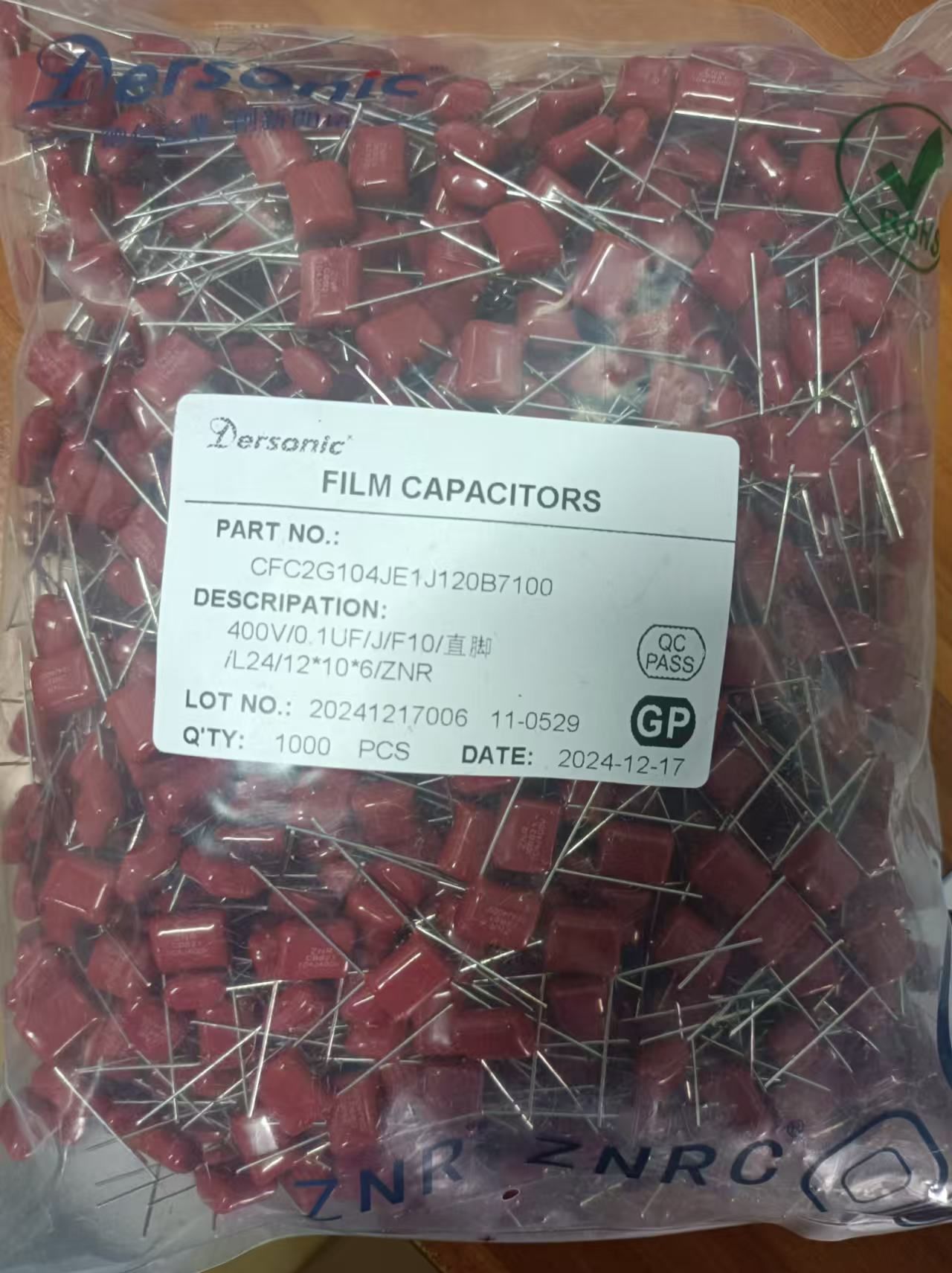
Navitas NV6115 GaN Power IC
Wolfspeed C3M0075120D SiC MOSFET
TI UCC21710-Q1 SiC Gate Driver
How Core Electronic Components Define High-End Electronic Products
Key Questions About Diodes and Their Peripheral Products
Related Article