MLCCs for Smart Refrigerators Supporting Compressor Control Sensors and Smart Connectivity
MLCCs for Smart Refrigerators: Supporting Compressor Control, Sensors, and Smart Connectivity
MLCC capacitors for refrigerators, ceramic capacitors for home appliances, capacitors for refrigerator control boards, MLCC selection for smart appliances
Smart refrigerators are becoming an important part of modern home appliances. In addition to traditional cooling functions, many models include inverter compressors, digital temperature controls, touch displays, Wi-Fi connectivity, and food management features.
These functions depend on electronic control boards that manage power, monitor operating conditions, and coordinate different system components.
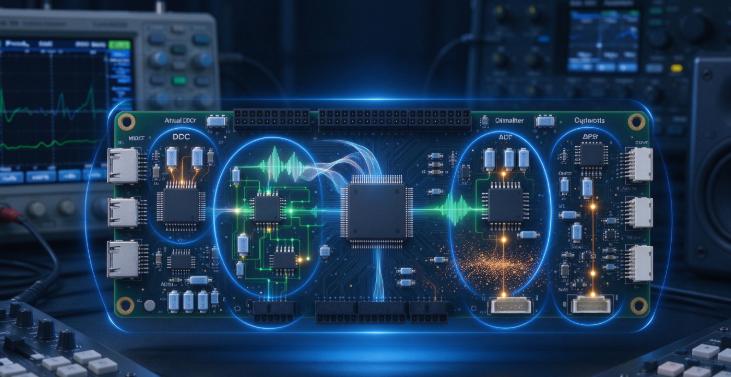
Multilayer ceramic capacitors (MLCCs) are widely used in these electronic circuits. They support power supply decoupling, filtering, and signal conditioning in different sections of the refrigerator control system.
This article explains where MLCCs are used in smart refrigerators and what engineers should consider when selecting suitable components.
1. MLCCs in Inverter Compressor Control Circuits
Many modern refrigerators use inverter technology to adjust compressor operation according to cooling demand.
An inverter control system may include power conversion circuits, gate drivers, microcontrollers, and current or voltage sensing circuits.
These components can generate switching noise and experience changing electrical loads during operation.
MLCCs may be used in the control electronics for:
- Local decoupling around gate driver ICs.
- Power filtering for microcontrollers.
- Supply decoupling for control circuits.
- Filtering around selected sensing and monitoring ICs.
Engineers should distinguish between low-voltage control circuits and high-voltage power conversion stages. Capacitor selection in each location must follow the electrical and safety requirements of the specific circuit.
MLCCs should not automatically replace bulk capacitors or dedicated power-stage components.
2. Supporting Temperature Monitoring Circuits
Temperature monitoring is essential to refrigerator operation. Control boards may receive signals from thermistors, temperature sensors, or other sensing devices installed in different compartments.
The controller uses this information to manage cooling operation and maintain the programmed temperature settings.
MLCCs may support these circuits through:
- Power supply decoupling for sensor interfaces.
- Filtering of selected analog signals.
- Local filtering around ADC circuits.
- Decoupling for temperature monitoring ICs.
For analog measurement circuits, engineers should consider capacitance stability, tolerance, leakage behavior, and the requirements of the sensor interface.
C0G/NP0 capacitors may be suitable for selected stable signal applications, while X7R MLCCs are commonly used for general-purpose power decoupling.
The filter design should follow the sensor and controller IC datasheets to avoid unwanted delays in measurement response.
3. Power Filtering for Refrigerator Control Boards
A smart refrigerator may contain several electronic modules, including:
- Main control board.
- Compressor inverter board.
- Display and user interface board.
- Fan control circuits.
- Communication modules.
- Sensor interface circuits.
Each module may require different supply voltages and filtering characteristics.
MLCCs are commonly placed near voltage regulators and integrated circuits to support local decoupling and reduce high-frequency power disturbances.
Common applications include input filtering, regulator output decoupling, and local power supply filtering.
X5R and X7R MLCCs may be suitable for many general-purpose power applications when their effective capacitance, voltage rating, and temperature characteristics meet the design requirements.
4. MLCCs in Touch Displays and User Interface Systems
Many smart refrigerators include digital displays, touch panels, buttons, and control interfaces.
These systems may use microcontrollers, display drivers, memory devices, and touch sensing ICs.
MLCCs are commonly used near these ICs for power decoupling and filtering.
In touch sensing circuits, engineers should also consider electrical noise coupling from nearby switching power circuits, motors, and communication modules.
PCB layout, grounding, and signal routing are important parts of the design. Capacitor selection alone cannot eliminate every interference issue.
5. Supporting Wi-Fi and Smart Connectivity
Smart refrigerators may connect to home networks and mobile applications through Wi-Fi or other wireless communication technologies.
Wireless modules can experience short periods of increased current demand during transmission.
MLCCs are commonly placed near wireless module power pins to provide local decoupling and help manage high-frequency power disturbances.
Engineers should review:
- Recommended capacitor values in the module datasheet.
- Effective capacitance under DC bias.
- Power supply transient response.
- Grounding and PCB layout.
- Antenna placement and RF design requirements.
Good power supply design is important, but wireless performance also depends on the complete RF layout and antenna system.
6. Operating Temperature and Long-Term Reliability
Unlike many indoor electronic products, refrigerator control boards may operate in different thermal environments depending on their installation location.
Some boards are positioned near compressor compartments or other areas affected by heat. Other modules may be installed near colder sections of the appliance.
When selecting MLCCs, engineers should evaluate the actual temperature conditions at the component location.
Important factors include:
Temperature rating: Confirm that the capacitor's operating range covers the expected board temperature.
DC-bias performance: Class II MLCCs such as X5R and X7R can lose effective capacitance under applied voltage.
Rated voltage: Select an appropriate rating with sufficient design margin.
Mechanical stress: Consider PCB mounting, vibration, assembly conditions, and component placement.
Long-term reliability also depends on enclosure design, moisture protection, thermal management, and manufacturing quality.
7. How to Select MLCCs for Smart Refrigerators
Different refrigerator circuits have different electrical requirements. The following specifications should be reviewed before selecting an MLCC.
Capacitance
Choose capacitance based on the circuit's filtering and decoupling requirements. Verify effective capacitance under actual operating voltage and temperature.
Rated Voltage
Select an appropriate voltage rating according to the circuit's steady-state and transient conditions.
Dielectric Type
- X7R: Commonly used for general-purpose power decoupling and filtering.
- X5R: Suitable for selected compact power circuits when its temperature and DC-bias characteristics meet requirements.
- C0G/NP0: Useful for selected circuits requiring high capacitance stability and low dielectric loss.
Package Size
Common package sizes include 0402, 0603, and 0805. The final choice depends on capacitance, voltage rating, PCB space, assembly requirements, and mechanical conditions.
Tolerance and Temperature Range
Check the circuit's tolerance requirements and the capacitor's specified operating temperature range. Do not assume that all components on the same refrigerator control board experience identical conditions.
8. Common MLCC Selection Mistakes
Selecting only by nominal capacitance. Class II MLCCs may lose effective capacitance under DC bias.
Ignoring compressor switching noise. Control electronics should be evaluated under realistic compressor operating conditions.
Using identical capacitors for every circuit. Inverter controls, temperature sensing, displays, and wireless modules may require different characteristics.
Overlooking temperature differences. Component locations within a refrigerator can experience different operating temperatures.
Approving alternative components without reviewing datasheets. Compare capacitance, voltage rating, dielectric, tolerance, package size, and temperature characteristics before substitution.
9. MLCC Sourcing Checklist for Refrigerator Manufacturers
Before sourcing MLCCs for refrigerator production, engineering and purchasing teams should prepare:
- Manufacturer part number or complete specifications.
- Capacitance and tolerance.
- Rated voltage and dielectric type.
- Package size and termination.
- Operating temperature range.
- Required purchasing quantity.
- Approved alternative requirements.
- Relevant datasheets and quality documentation.
Clear specifications help buyers evaluate component compatibility and potential sourcing alternatives.
Frequently Asked Questions
Q1: What are MLCCs used for in smart refrigerators?
They are commonly used for power supply decoupling, inverter control electronics, temperature sensor interfaces, display circuits, and wireless communication modules.
Q2: Can MLCCs be used in refrigerator inverter boards?
Yes. MLCCs are commonly used in selected control and filtering positions. The requirements of high-voltage power stages must be evaluated separately, and the complete circuit design must follow the relevant component datasheets.
Q3: Which MLCC dielectric is suitable for refrigerator control boards?
X7R and X5R are common choices for general-purpose decoupling when their electrical characteristics meet the requirements. C0G/NP0 may be suitable for selected stable signal circuits.
Q4: Why is temperature important when selecting refrigerator MLCCs?
Different control board locations may experience different temperatures. Capacitor characteristics can change with temperature, so engineers should check the actual operating conditions.
Q5: What information should buyers provide when sourcing refrigerator MLCCs?
Provide the manufacturer part number or detailed specifications, capacitance, voltage rating, dielectric type, tolerance, package size, temperature range, and target quantity.
Conclusion
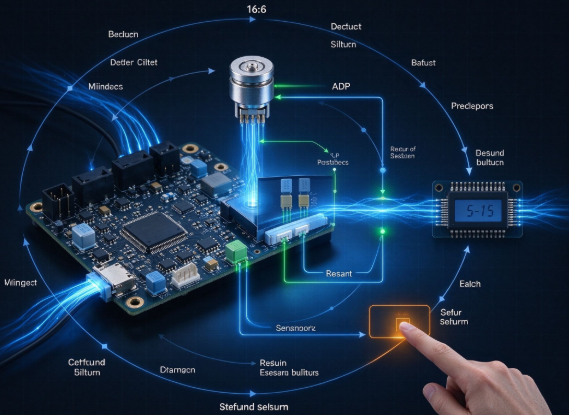
Smart refrigerators combine compressor control, temperature monitoring, digital interfaces, and wireless connectivity in a complex electronic system. MLCCs support these functions through power decoupling, filtering, and selected signal-conditioning applications.
Selecting suitable components requires careful evaluation of capacitance, voltage rating, dielectric type, package size, temperature characteristics, and the requirements of each circuit.
Visit Barron MLCC at //www.barronmlcc.com/ to explore MLCC product information and component sourcing options. You can also submit your required specifications and target quantity to discuss potential sourcing options for your project.
Contact Us For MLCC Samples & Quotation
Email: hyc2355937758@gmail.com
WhatsApp:+8615913754866
Tel: +86 18824523083
Website: www.barronmlcc.com
MLCCs for Electronic Musical Instruments Supporting Audio Processing and stable
Related Article